 Tags:
Tags: 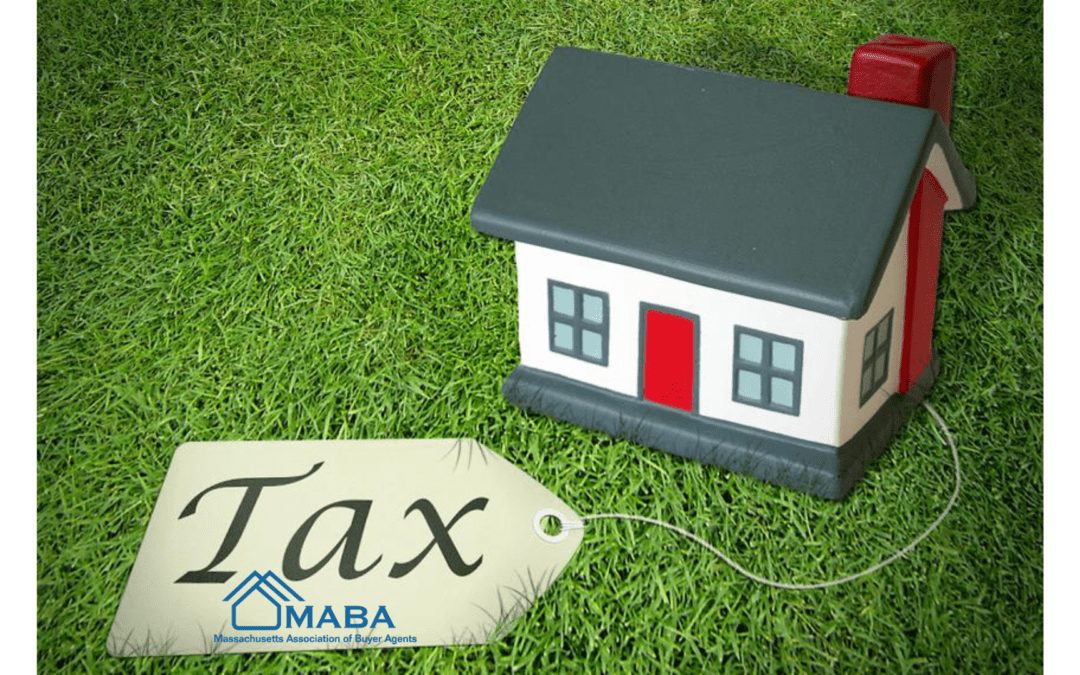
Property taxes across the U.S. rose to $328 billion in 2021: Massachusetts HomeBuyers HomeOwners
Property taxes across the U.S rose last year, but the hike was much lower than in 2020, according to a new report. ATTOM found in its 2021 property tax analysis of almost eight seven million single family homes, three hundred and twenty eight billion dollars in property taxes were levied last year, up only 1.6 percent from three hundred and twenty three billion dollars in 2020, well below the 5.4 percent increase seen in 2019 and the second smallest rise in taxes over the past five years.
Last year the average tax on a single family home increased just 1.8 percent to three thousand seven hundred and eight five dollars, from three thousand sevenn hundred and nineteen dollars in 2020, the smallest jump in five years and resulting in an effective tax rate of 0.9 percent, down from 2020’s 1.1 percent. Rick Sharga, executive vice president of market intelligence at ATTOM said it’s hardly a surprise property taxes increased in 2021 when home prices across the country rose by sixteen percent. “In fact, the real surprise is that the tax increases weren’t higher, which suggests that tax assessments are lagging behind rising property values and will likely continue to go up in 2022,” he said.
Effective rates fell in 2021 even as total taxes rose due to home values rising faster than taxes, according to the report. Median home values grew more than ten percent in most of the country as demand remained higher than available inventory. In seventy four percent of markets, property taxes increased faster than the national average. With the average property tax increase of 1.8 percent from 2020-2021, larger gains were seen in one hundred and sixty three or seventy four percent of the twom hundred and twenty metros analyzed. Areas with the largest increases in average property taxes last year included Nashville, Tennessee, at twenty seven percent, Milwaukee, up 18.6 percent, Baltimore, up 12.3 percent, Grand Rapids, Michigan, up 12.3 percent and Louisville, Kentucky, up eleven percent. Markets with the largest decreases included Pittsburgh, which was down 35.1 percent, New Orleans, down 20.2 percent, Houston, down 18.7 percent, Dallas, down 12.2 percent and Austin, Texas, down 7.7 percent.
The highest effective property tax rates were found in Illinois (1.86 percent), New Jersey (1.73 percent) and Connecticut (1.67 percent), Vermont (1.55 percent) and Pennsylvania (1.37 percent). Nebraska, New Hampshire, New York, Texas and Iowa were also in the top ten states for highest effective property tax rates. Hawaii, Alabama, Utah, Arizona and Nevada had the lowest effective rates at 0.27 percent, 0.37 percent, 0.39 percent, 0.41 percent and 0.41 percent, respectively. Other stats in the top ten for lowest effective property tax rates included Idaho at 0.43 percent, Colorado at 0.43 percent, Tennessee at 0.45 percent, West Virginia at 0.5 percent and South Carolina at 0.5percent.
The report also found metro areas in the northeast and midwest had the highest effective tax rates. Sixteen counties analyzed had an average single-family-home tax of more than ten thousand dollars including ten in the New York City area. The top five included Kings County, New York (thirteen thousand seven hundred and thirty four dollars), Marin County, California (thirteen thousand seven hundred and nineteen dollars), Westchester County, New York (thirteen thousand six hundred and seventy four dollars), Essex County, New Jersey (thirteen thousand one hundred and sixteen dollars), and Nassau County, New York (thirteen thousand and ninety five dollars).
Sharga said prospective homeowners often fail to include property taxes when considering the cost of homeownership.
“But, especially in some of the higher-priced markets across the country, property taxes can add thousands of dollars to annual ownership costs, and possibly be the difference between someone being able to afford a home or not,” he said. “It’s critically important for consumers to factor in taxes, insurance and maintenance when determining whether they’re ready for the financial responsibility of homeownership.”
The post Property taxes across the U.S. rose to $328 billion in 2021 appeared first on Boston Agent Magazine.
First Time Home Buying in Massachusetts
 MABA Buyer Agents help first time home buyers reduce the stress and frustration normally associated with buying a home or condo – especially for first time home buyers.
As a first time homebuyer in Massachusetts, you can turn to our non-profit organization to help you understand and navigate the complexities of the entire Massachusetts real estate transaction, from mortgage pre-approval until you are handed the keys to your new home or condominium. Each of our member buyer's brokers and agents works only for their buyer-clients and never for the seller of the home or condo that their buyers want to buy.
MABA Buyer Agents will take the time to learn about you and your real estate goals, help you understand your options, including first time home buyer programs, properties and/or condominium associations, estimate real property values and put together a negotiating strategy to help you increase the odds of getting your offer accepted in our competitive Massachusetts real estate market. After advocating to get your offer accepted, your MABA buyer's agent will be there for you at your home inspection and help you protect your deposit through the inspection, purchase & sale and financing contingency periods.
You can buy your first home or condo with confidence knowing that your MABA buyer agent is committed to saving you time and money and helping you make your best home buying decision.

Article From: "Liz Hughes" Read full article
Get Started with MABA
For no extra cost, let a MABA buyer agent protect your interests
800-935-6222 Call now!
How to Make Better Homebuying Decisions
Who Pays a Buyer’s Agent?